 Ultimate guide
Emergency Tree Removal & Homeowners Insurance
Table of Contents
- Emergency Tree Removal and Homeowners Insurance: The Basics
- What Counts as a Covered Peril
- When Does Insurance Cover Tree Removal?
- Homeowners Insurance Tree Removal Deductible: How It Affects Your Claim
- What to Do When a Tree Falls on Your House
- Emergency Tree Removal Cost and Coverage Limits
- Preventative Maintenance, Negligence, and Liability
- Frequently Asked Questions
Last Updated: September 22, 2026
Emergency Tree Removal and Homeowners Insurance: The Basics
Whether emergency tree removal is covered by homeowners insurance depends on one question: did a covered peril cause the tree to fall? This guide from KSOR Tree Service explains what most policies pay for, what they exclude, and how to document a claim so it survives the adjuster's review.
The short answer: if a storm, lightning strike, or other covered peril knocks a tree onto your house, your homeowners policy typically covers both the damage and the removal. If the tree simply fell in the yard and hit nothing, you're usually paying out of pocket.
That distinction trips up more homeowners than anything else in the claims process. Below, we'll walk through exactly how insurers classify these situations, what your deductible does to the math, and the documentation steps that separate a paid claim from a denied one.
What Counts as a Covered Peril
A covered peril is a specific event named in your homeowners policy that triggers coverage when it causes damage. Windstorms, lightning strikes, hail, fire, and the weight of ice or snow are the perils that matter most for tree claims. Insurance Information Institute guide to homeowners insurance maintains a plain-language breakdown of what standard policies include.
What's not on that list matters just as much. A tree that drops because of age, disease, poor root structure, or gradual decline is not a covered peril.
When Does Insurance Cover Tree Removal?
Coverage splits into two scenarios, and the difference is entirely about what the tree hit on the way down.
Tree Hits a Covered Structure
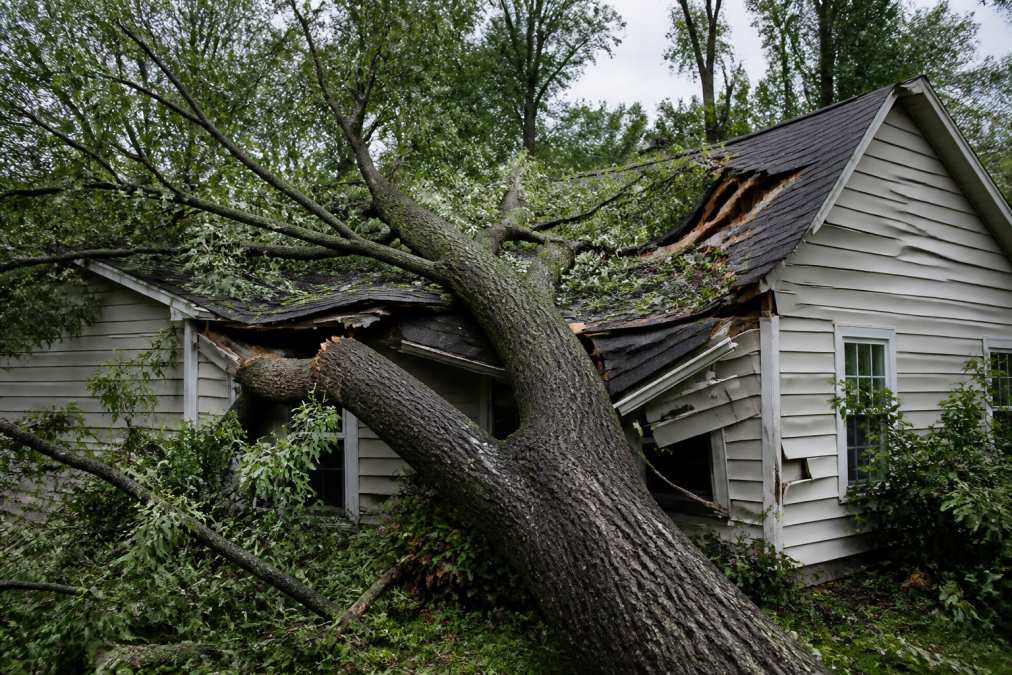
If a fallen tree strikes your house, garage, shed, fence, or another covered structure, most policies pay to remove the tree and repair the damage. Removal costs typically fall under the dwelling coverage portion of your policy, subject to your deductible. Your insurer generally covers removal up to a stated limit per tree, and many policies add a separate cap for debris removal once the tree is down.
Tree Falls in the Yard Without Hitting Anything
A tree that falls in the open yard and damages nothing is usually your bill. Some policies include a small allowance for removing a tree that blocks a driveway or ramp, but that benefit is narrow and varies by carrier. Read your declarations page before assuming it applies.
| Scenario | Typical Coverage | What You Pay |
|---|---|---|
| Tree hits house or covered structure | Removal + structural repair | Deductible |
| Tree blocks driveway or ramp | Limited removal allowance | Often out of pocket |
| Tree falls in open yard, hits nothing | Usually excluded | Full removal cost |
| Neighbor's tree falls on your property | Your policy, then subrogation | Deductible |
Homeowners Insurance Tree Removal Deductible: How It Affects Your Claim
Your homeowners insurance tree removal deductible is the amount subtracted from any payout before your insurer pays a cent. If removal costs less than your deductible, filing a claim achieves nothing except a possible mark on your claims history. Run the numbers before you call.
Here's the decision framework we walk clients through:
- Get a written removal estimate from a licensed tree service
- Compare that figure against your deductible
- If removal is close to or below the deductible, pay out of pocket
- If structural damage is involved, file the claim, since repair costs usually dwarf the deductible
- Ask your agent whether a claim affects your renewal premium before filing
What to Do When a Tree Falls on Your House
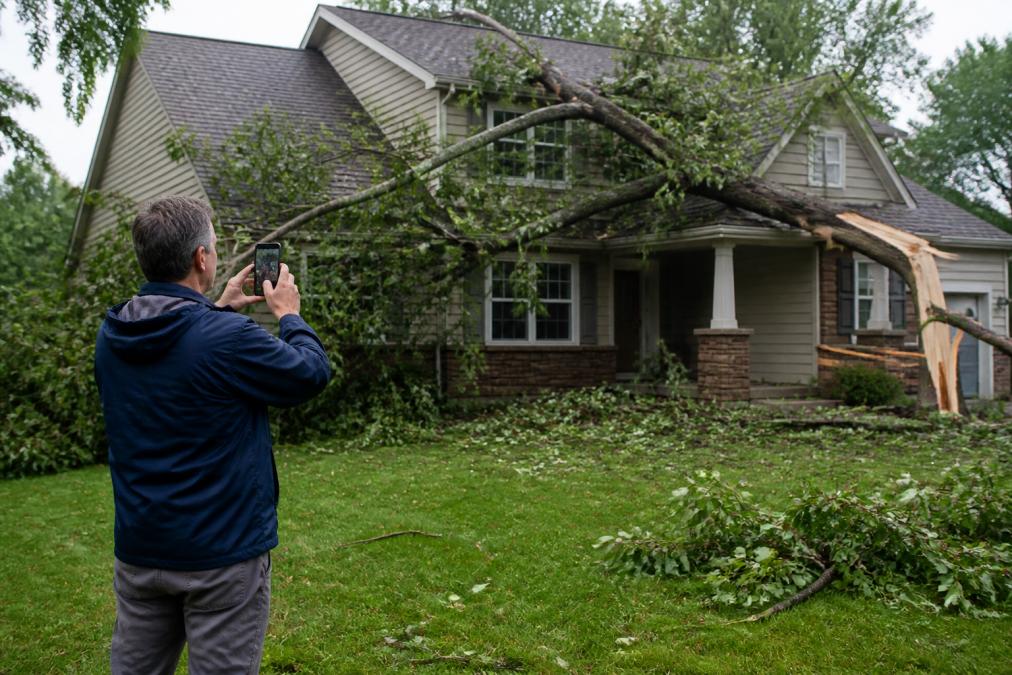
Safety first, documentation second, cleanup third. That order matters because an adjuster needs evidence, and evidence disappears the moment a crew hauls the tree away. It also matters because most policies require you to prevent further damage, which means you may need to hire emergency help before anyone from the insurer has seen the tree.
- Get everyone out of the affected area. Downed trees can shift, and damaged structures may not be stable. If power lines are involved, stay clear and call the utility.
- Call your insurer and report the loss before scheduling any removal work. Tell them whether the tree is still on the structure, that single fact often determines whether the work is classified as emergency mitigation.
- Photograph and video everything from multiple angles before anything moves. This is the step homeowners skip, and it's the one that sinks claims.
- Arrange emergency removal if the tree is blocking access or threatening further damage. You generally don't need to wait for adjuster approval to prevent additional loss.
- Keep every receipt for emergency services, lodging, and temporary repairs. Reimbursement for these items usually requires proof of payment.
Documentation Checklist for a Tree Damage Claim
Adjusters decide claims on evidence, and the burden of proof sits with you. Missing documentation is one of the most common reasons a legitimate claim gets reduced or denied. Work through this list before anything is hauled away:
- Wide shots of the tree in place, showing its position relative to the house, driveway, and property lines.
- Close-ups of the point of impact, the trunk, and the root ball or break point, this is what shows cause of failure.
- Interior damage photos, including ceilings, walls, and floors under the impact area.
- Video walkthrough narrating what you see, from the street to the point of impact. Video captures context that stills miss.
- Timeline notes: when the storm hit, when you discovered the damage, when you called the insurer, when the crew arrived.
- Receipts and estimates for emergency removal, temporary repairs, and any lodging.
- Your policy declarations page, so you can reference your deductible and removal limits when you speak with the adjuster.
Emergency Tree Removal Cost and Coverage Limits
Emergency tree removal cost varies with tree size, location, access difficulty, and whether equipment like a crane or bucket truck is required. Rather than quote a single figure that won't hold across markets, get two written estimates and compare them against your policy limits. What matters more than the sticker price is how your insurer classifies the work.
What Makes Removal an 'Emergency' in Insurance Terms
This is the distinction most guides skip, and it's the one that decides whether you get reimbursed. Insurers generally treat removal as emergency mitigation when the tree is causing, or is about to cause, further damage to a covered structure, a trunk resting on a roof, a limb pressing into a wall, a tree blocking the only access to a damaged home.
How Per-Tree and Debris Limits Actually Work
Policy limits are where claims quietly shrink. Most policies cap removal at a set dollar amount per tree, plus a separate total cap for all debris removal on a single claim. Once you exceed those caps, the difference comes out of your pocket, even on an otherwise approved claim.
The Deductible vs. Removal Cost Math
When removal is the only expense, the math rarely favors filing. If your deductible is higher than the removal estimate, a claim pays you nothing and still lands on your claims history. When a structure is involved, the math flips, repair costs almost always dwarf the deductible, so filing is the obvious move.
Preventative Maintenance, Negligence, and Liability
Two angles most homeowners never consider:
HOA and local ordinance conflicts. Your HOA may require tree removal within a set window after a storm, and some municipalities have ordinances governing removal near utilities or protected species. These obligations can force work faster than your claim settles, so check both before scheduling.
Frequently Asked Questions
Does homeowners insurance cover emergency tree removal if the tree didn't hit a structure?
Most homeowners policies only pay to remove a fallen tree if it blocks a driveway, ramp, or handicap access, or if it hits a covered structure like your house, garage, or fence. A tree lying in an open yard with no damage to property is usually the homeowner's responsibility. Some insurers offer limited debris removal coverage, typically capped at a few hundred dollars, but you should check your policy limits before assuming it's covered.
Does my deductible apply to emergency tree removal services?
Yes, in most cases. When a fallen tree damages your home, your homeowners insurance tree removal deductible applies to the entire claim, including removal and repair costs. If the removal cost is lower than your deductible, filing a claim may not be worth it. For example, if your deductible is $1,000 and removal costs $800, paying out of pocket avoids a claim on your record and potential premium increases.
What steps should I take immediately after a tree falls on my property?
First, make sure everyone is safe and call 911 if there are injuries or downed power lines. Then document everything with photos and video before moving anything. Contact your insurance company to file a claim and get a claim number. If the tree is blocking access or causing further damage, call a professional tree service for emergency removal. Keep all receipts and avoid permanent repairs until an adjuster has inspected the damage.
How much does emergency tree removal cost on average?
Emergency tree removal cost depends on tree size, location, and complexity. Removing a large tree that has fallen on a house typically costs more than removing a standing tree because of the added risk and equipment needed. Prices vary by region, tree height, and whether stump grinding is included. KSOR Tree Service recommends requesting a written quote before work begins so you know exactly what you're paying for.
A fallen tree is stressful enough without a denied claim on top of it. KSOR Tree Service handles emergency storm cleanup, hazardous tree removal, and tree health assessments for homeowners and property managers across the Charlotte area, with rapid response when a storm leaves you exposed. Our team documents the work, coordinates with your insurer's requirements, and clears the hazard so you can focus on the claim. Request help from KSOR Tree Service and get your property safe again.