 blog
Professional Stump Grinding Services: 2026 Guide
Table of Contents
- What Professional Stump Grinding Services Actually Include
- The Average Cost of Stump Grinding Per Inch: What Drives the Price
- Stump Grinding vs Stump Removal Pros and Cons
- How to Prepare Your Yard for Stump Grinding
- DIY vs. Hiring a Licensed Contractor: A Cost-Benefit Analysis
- Post-Grinding Soil Health, Replanting, and Landscape Restoration
- Environmental Impact of Stump Removal and What to Do With Wood Chips
- Frequently Asked Questions
Last Updated: September 28, 2026
What Professional Stump Grinding Services Actually Include
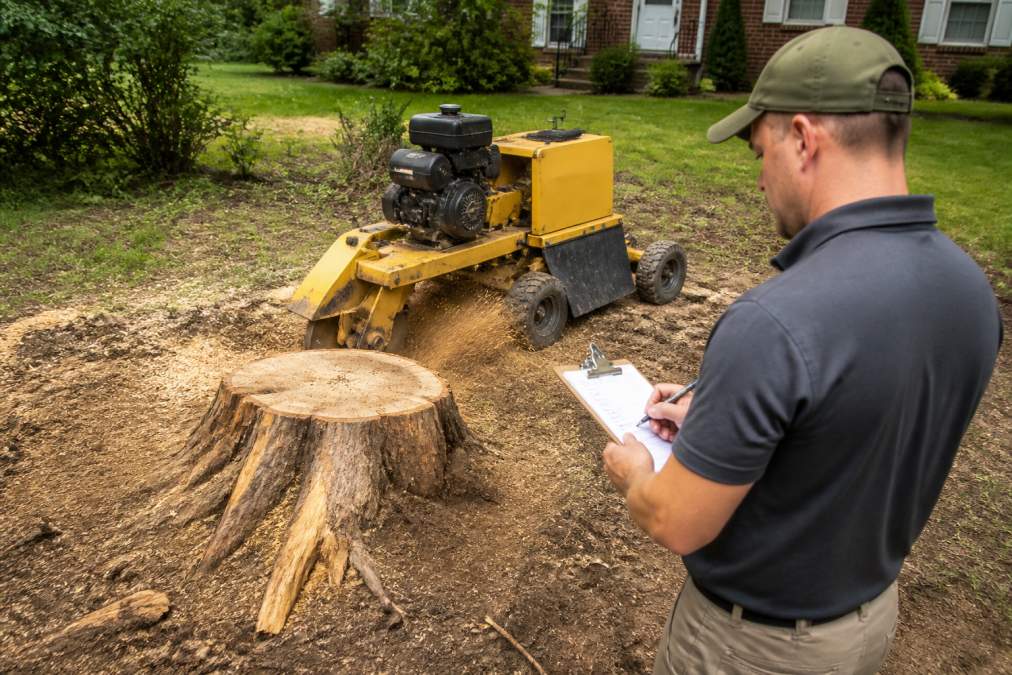
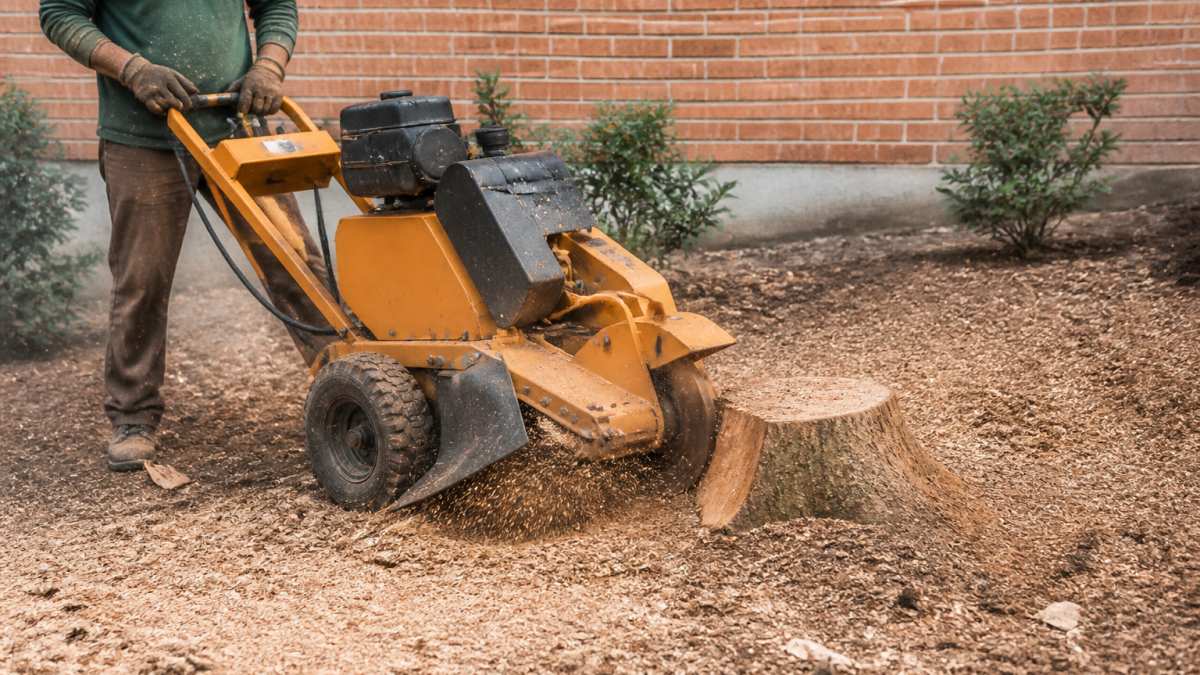
Professional stump grinding reduces a tree stump to wood chips with a rotating cutting wheel, typically to 6-12 inches below grade. This guide from KSOR Tree Service covers what the service includes, what drives the price, and how to choose between grinding and full removal. Most homeowners assume the job ends when the stump disappears, it doesn't. A complete service also includes debris cleanup, root flare reduction, and site prep.
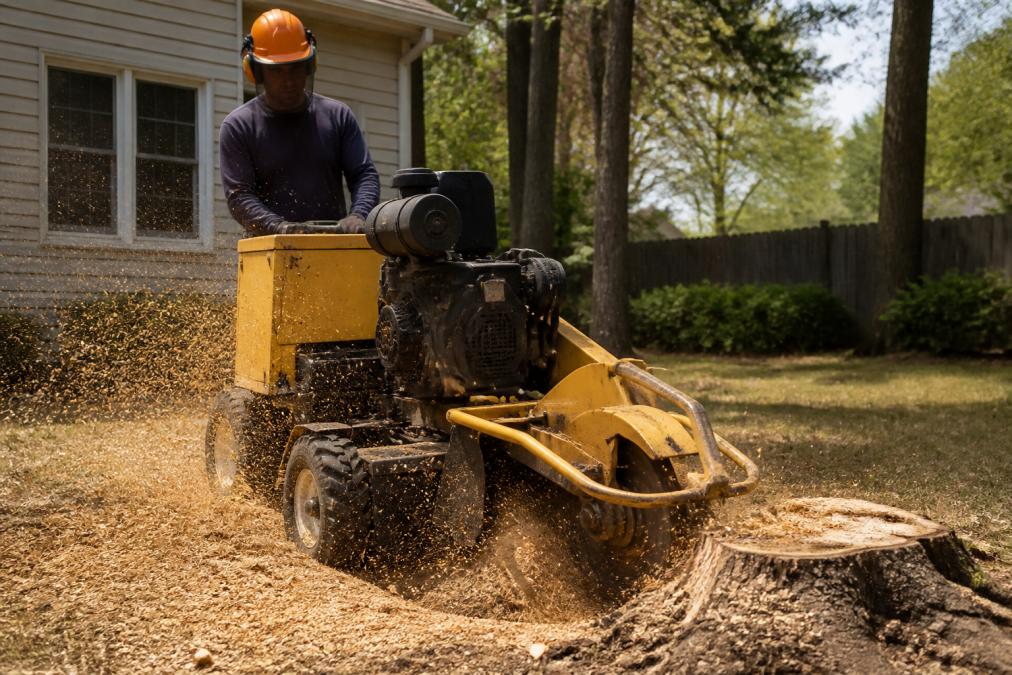
- Grinding the main stump to below ground level so a mower can pass over it
- Cutting surface roots that interfere with mowing, paving, or planting
- Clearing wood chips and hauling them away or leaving them for mulch
- Backfilling the hole with soil or grindings
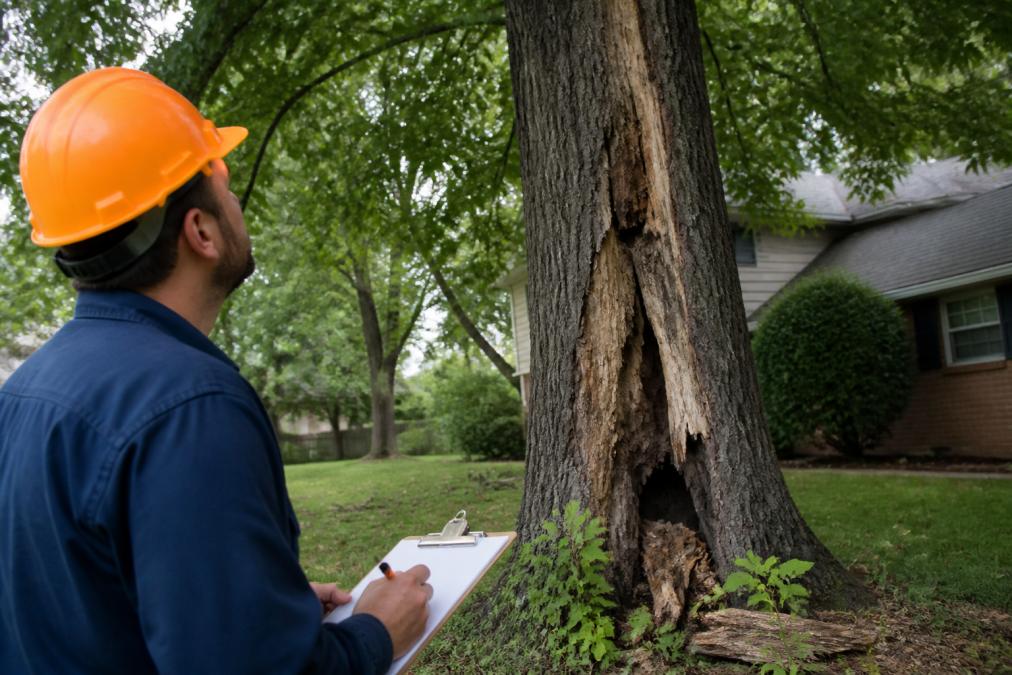
- Assessing nearby tree health before equipment moves in
The Average Cost of Stump Grinding Per Inch: What Drives the Price
Here's how the measurement actually works in the field:
- The estimator tapes the widest part of the stump at grade, ignoring flare and buttress roots.
- That number is the billable diameter, a 24-inch stump is billed as 24 inches even if the visible cut face is smaller.
- Multi-stump jobs are billed as the sum of diameters, sometimes with a discount past a threshold like 40 or 50 total inches.
- A minimum charge applies to almost every visit, since truck, machine, and crew time cost the same whether the stump is 6 inches or 16.
Pricing variables worth understanding before you call anyone:
| Cost Factor | What Raises the Price | What Keeps It Lower |
|---|---|---|
| Stump diameter | Wider stump, more passes, more fuel and time | Small ornamental stumps under 12 inches |
| Grinding depth | Below-grade grinding to 12+ inches | Surface-level grinding to 4-6 inches |
| Root spread | Large surface roots that need separate passes | Contained root system with no visible surface roots |
| Backyard access | Narrow gates, slopes, soft turf, tight corners | Driveway or open lawn access for a self-propelled unit |
| Debris handling | Haul-away requested, chips loaded and disposed of | Chips left on site as mulch |
| Stump count | Single stump with a minimum charge | Multiple stumps bundled into one visit |
| Site conditions | Rocks, buried metal, fence lines, utility conflicts | Clean, open, dry ground |
A few mechanics homeowners rarely hear explained:
- Minimum charges are normal, not a red flag. Loading a grinder, driving to your property, and setting up costs real money before the cutting wheel touches wood. Expect a floor price.
- Depth changes the price more than diameter does. Grinding to 6 inches versus 12 inches are different jobs, the deeper pass takes longer, produces more chips, and needs a larger hole to backfill.
- Haul-away is a separate line item. Leaving chips on site is cheaper because the crew skips loading and disposal.
- Access surcharges are real. A grinder that can't fit through a gate means a smaller, slower machine or hand-carried equipment. Both cost more.
- Stump height matters less than people think. A tall stump is faster to cut down than a flush one, but diameter drives grinding time.
Stump Grinding vs Stump Removal Pros and Cons
Stump grinding and stump removal solve different problems, and the right choice depends on what you plan to do with the space. Grinding leaves the root system in the ground and eliminates the visible stump. Full removal extracts the stump and major roots, which costs more and disturbs more of the yard.
How to Prepare Your Yard for Stump Grinding
Preparing your yard for stump grinding takes about 30 minutes and prevents most day-of delays. Clear the area, mark anything you don't want damaged, and confirm grinder access before the crew arrives.
A simple prep checklist:
- Remove vehicles, lawn furniture, and toys from the work zone
- Mark irrigation lines, buried cables, and sprinkler heads
- Trim low branches that block equipment access
- Unlock gates and clear a path at least 3 feet wide
- Move pets and children indoors during grinding
- Confirm with your provider whether chips stay or get hauled away
DIY vs. Hiring a Licensed Contractor: A Cost-Benefit Analysis
Hiring a licensed contractor is the safer choice for most homeowners: stump grinders are dangerous machines, and rental units rarely match professional equipment. A walk-behind rental handles stumps up to roughly 12 inches; anything larger needs a self-propelled unit most rental yards don't stock.
Post-Grinding Soil Health, Replanting, and Landscape Restoration
Post-grinding soil recovery is the step almost every guide skips, and it determines whether anything you plant there survives. Fresh grindings aren't soil, they're raw wood chips with a high carbon-to-nitrogen ratio, and as microbes break them down they consume available nitrogen from the surrounding soil (nitrogen immobilization). Plant into that and your new grass or shrub yellows, stalls, and often dies.
- Remove the bulk of the grindings. Leave a 2-3 inch base layer for drainage, but haul the rest out or spread it elsewhere as mulch. A hole packed to the brim with fresh chips settles unevenly for years.
- Backfill with a topsoil-compost blend. A common ratio is roughly 70% screened topsoil to 30% finished compost. The compost adds the nitrogen and microbial life the raw chips lack; the topsoil gives new roots something to anchor into.
- Mound slightly and let it settle. Fill to about 2 inches above grade. The material will compact and drop over the next few weeks; top it off as it does. Don't tamp aggressively, you want structure, not concrete.
- Test drainage before you plant. Dig a small hole, fill it with water, and time the drain. If water sits for more than a few hours, you have a perched water table over the old root zone and need to amend further or choose plants that tolerate wet feet.
- Wait at least one full growing season before replanting a tree in the same spot. Root decay continues underground for years, and the soil needs time to stabilize. Grass and shallow-rooted shrubs can usually go in sooner, often within a few months once the surface settles.
- Don't till fresh grindings into the soil. Mixing raw chips into existing topsoil spreads the nitrogen problem across a wider area instead of containing it to the stump hole.
- Test your soil before replanting. A basic soil test through your state's cooperative extension service reveals pH and nutrient levels. Stump grinding disturbs the soil profile, and pH often shifts.
- Choose species suited to the spot's sun and moisture. The stump hole is a disturbed microsite, a species that wants sharp drainage will struggle if the hole holds water, while a moisture-lover will thrive.
- Watch for fungal fruiting bodies. Mushrooms or conks from the old root zone signal active decay. That's normal, but it means the soil is still biologically busy and not ready for a demanding planting.
- Keep mulch off the trunk of anything you plant. A 2-3 inch ring of aged mulch, pulled back a few inches from the trunk, is the right pattern. Piling mulch against bark invites rot and pests.
Environmental Impact of Stump Removal and What to Do With Wood Chips
The environmental impact of stump removal is smaller than most people assume, and the wood chips are the reason. Grinding keeps the tree's carbon on site instead of sending it to a landfill. Chips break down into organic matter that improves soil structure over time.
Good uses for the chips:
- Mulch rings around trees and shrubs, kept a few inches off trunks
- Garden pathways and informal walkways
- Compost pile brown material
- Erosion control on slopes
Frequently Asked Questions
How much should it cost to grind a tree stump?
Stump grinding prices depend on stump diameter, grinding depth, root system spread, and backyard access for heavy machinery. Most companies price per inch of stump diameter. Costs also rise when surface roots need grinding or when debris cleanup and mulch removal are included. Because every yard differs, the most accurate approach is to request an on-site quote. KSOR Tree Service provides free estimates for residential and commercial properties.
Does tree removal include stump grinding?
No. Tree removal and stump grinding are separate services. Standard tree removal covers cutting down the tree, sectioning the trunk, and hauling away the canopy and trunk wood. The stump and root system stay in the ground unless you specifically add stump grinding to the job. Always confirm what your quote covers before work begins so you are not surprised by an extra line item later.
What's the difference between stump removal and stump grinding?
Stump grinding uses a rotating cutting wheel to shave the stump down below grade, typically 6 to 12 inches deep. Stump removal pulls the entire stump and root ball out of the soil, leaving a large hole. Grinding costs less, preserves surrounding soil structure, and suits most residential yards. Full removal makes sense when you need to pour a foundation or replant directly over the old root zone.
What safety precautions should professionals take during stump grinding?
Crews should wear safety gear including eye protection, hearing protection, and cut-resistant chaps. They mark underground utilities before grinding, clear the work zone of people and pets, and inspect the stump for embedded metal or rocks that can damage the grinder or fly loose. A licensed contractor also carries liability insurance. Ask for proof of TCIA accreditation and insurance before any crew starts work on your property.
A stump in the middle of a healthy yard is a slow problem: pests move in, mowing gets awkward, and replanting stalls until it's gone. KSOR Tree Service handles stump grinding, tree removal, trimming, and emergency storm cleanup for residential and commercial properties, backed by tree health assessments and land clearing experience. Request help from KSOR Tree Service and get the stump ground, the site restored, and the yard back in use.